✛ Famous Pioneers // 24 learning cases

PIONEERS WHO SHARE YOUR PATTERN.

Three pioneers for every type. For each one, what is worth learning from how they built, and what you should not copy, because even the greats have traps.

Elon Musk at the 2022 United States Air Force Academy graduation ceremony.

Modern headline pioneer

Elon Musk

He names a future that sounds impossible, reusable rockets, mass-market electric cars, then bends companies, capital, and talent until it ships. This is the Visionary pattern at full intensity.

Learn: Use first-principles questioning, visible technical ambition, and a clear future thesis to attract high-competence people around difficult work.

Full profile →

Photo: U.S. Air Force / Trevor Cokley · Public domain

Demis Hassabis in 2025.

Modern alternative pioneer

Demis Hassabis

He co-founded DeepMind on a two-step pitch: solve intelligence, then use it to solve everything else. He followed that thread for over a decade, from Atari games to AlphaFold, and won a Nobel Prize for cracking a 50-year-old protein problem along the way. He is a quieter kind of Visionary, one willing to wait years for the payoff.

Learn: Connect a long scientific horizon to patient institution-building, deep research teams, and work that produces public proof.

Photo: Christopher Michel · CC BY-SA 4.0

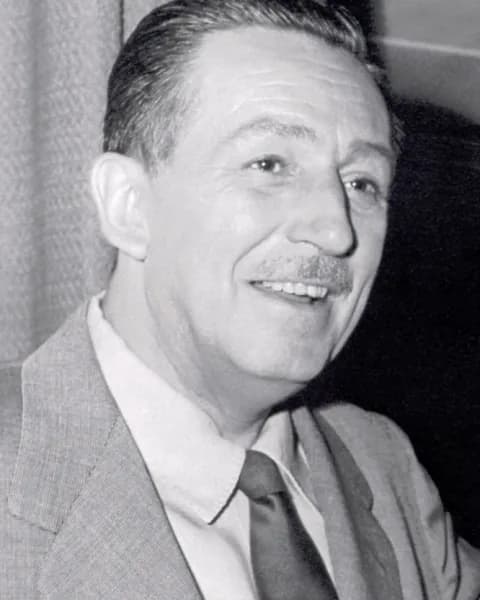
Walt Disney portrait.

Historic pioneer

Walt Disney

He mortgaged his own house to finish Snow White after the industry mocked it as Disney's Folly, then kept building until he had an entertainment world, animation, sound, theme parks, that people could actually step inside. This is the Visionary pattern applied to imagination itself.

Learn: Give a venture a vivid world, emotional promise, and future that customers and teams can see themselves inside.

Photo: NASA · Public domain

Jensen Huang speaking at an NVIDIA event.

Modern headline pioneer

Jensen Huang

He bet the company on CUDA at a point when it was consuming all of Nvidia's gross profit and the stock had fallen 80 percent, and he kept going until he had built a computing platform that developers, not just customers, could build on. This is the Architect pattern: he designed the structure and let other people construct their work around it.

Learn: Create a pattern that customers, developers, partners, and markets can all plug into, rather than only a product they can buy.

Photo: Peter Dasilva · CC BY 4.0

Bill Gates in 2017.

Historic pioneer

Bill Gates

He negotiated a licensing clause with IBM that let Microsoft sell MS-DOS to every other manufacturer, then years later wrote the 1995 memo that turned the whole company toward the internet. He designed the platform and let other people build on top of it. That is the Architect pattern, working at the scale of an entire founding era.

Learn: Design the business model, platform, distribution strategy, and developer ecosystem so the pattern compounds.

Photo: Kuhlmann / MSC · CC BY 3.0 DE

Andrej Karpathy speaking in an OpenAI video still.

Modern alternative pioneer

Andrej Karpathy

He named a new way of writing software in a single essay called Software 2.0, then built small working proofs, micrograd, nanoGPT, that let anyone rebuild what he described for themselves. That is the Architect pattern: name the blueprint, then teach other people to build on it.

Learn: Give a new way of working a name and a clear shape, then build the teaching structure that lets other people adopt the pattern, not just admire it.

Photo: Gladwin Analytics · CC BY 3.0

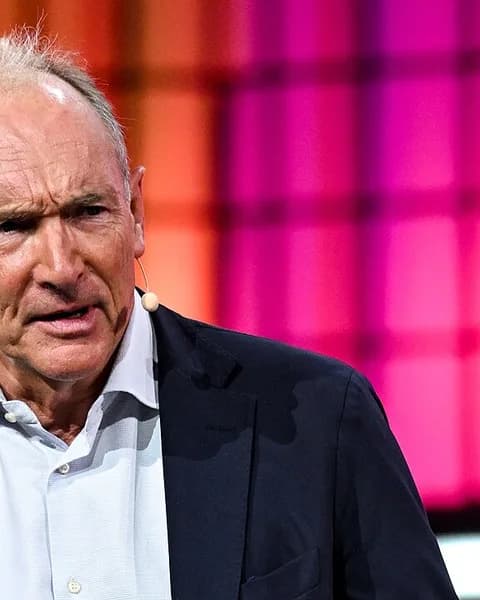
Tim Berners-Lee portrait by Sean Henry at the National Portrait Gallery.

Historic pioneer

Tim Berners-Lee

Before the web existed anywhere else, he personally wrote the first browser, the first server, and the first web page, then pushed CERN to release it royalty-free so anyone could build on it. That is the Implementer pattern: make the idea real with your own hands before you ask for permission.

Learn: Build the first working version yourself, even alone, before you have permission, funding, or an organisation behind you. The proof is what makes the idea real to everyone else.

Photo: Web Summit · CC BY 4.0

Portrait of Sara Blakely.

Modern headline pioneer

Sara Blakely

She cut the feet off her own pantyhose, wrote her own patent using a legal guide from a bookstore, and demonstrated the product in a Neiman Marcus bathroom to land the first order. Spanx exists because she proved the idea herself before anyone else believed in it, which is the Implementer pattern at work.

Learn: Start with a real friction point, make the first version concrete, and get it in front of real buyers quickly.

Photo: Gillian Zoe Segal · CC BY-SA 4.0

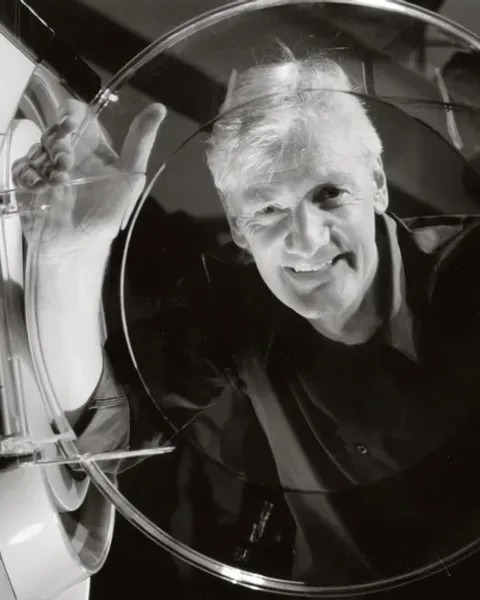
James Dyson portrait.

Modern alternative pioneer

James Dyson

He built thousands of failed prototypes over five years in a garden shed before the first bagless vacuum worked, changing one variable at a time until the idea became undeniable. That is the Implementer pattern: you prove the idea through relentless, hands-on repetition.

Learn: Build enough versions to expose reality. Let practical testing clarify the idea faster than debate can.

Photo: Michiel Hendryckx · CC BY-SA 3.0

Sam Altman in Jerusalem in June 2023.

Modern headline pioneer

Sam Altman

He launched ChatGPT as a quiet research preview and watched it become the fastest-growing consumer product ever, reaching 100 million users in two months. He turned a technical capability into instant, mass belief, the Igniter pattern playing out at the scale of the whole internet.

Learn: Create a public entry point that makes a technical shift feel immediate, usable, and consequential.

Photo: Amos Ben Gershom / Government Press Office of Israel · CC BY-SA 3.0

Their own work

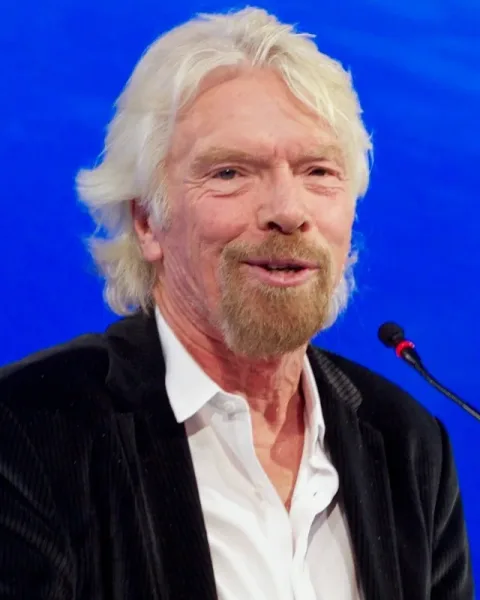
Portrait of Richard Branson.

Modern alternative pioneer

Richard Branson

He talked Boeing into a one-year lease on a second-hand 747 after a stranded passenger told him to smarten up the industry, then launched Virgin Atlantic on that single plane. He manufactures belief and momentum from a standing start, which is the Igniter pattern.

Learn: Use story, risk, personality, and customer positioning to make a market pay attention before the category feels settled.

Photo: U.S. Department of State from United States · Public domain

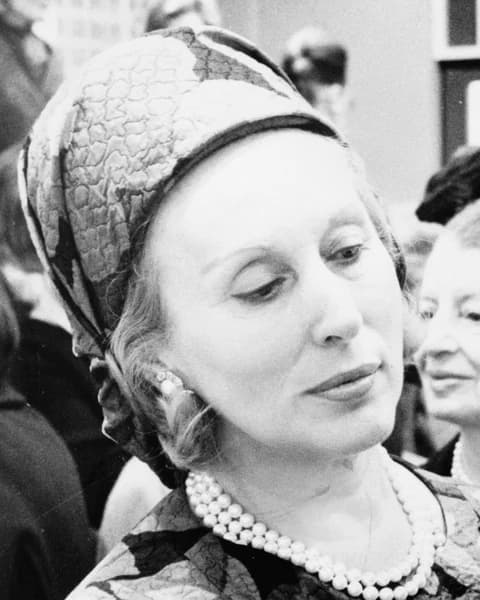
Estee Lauder, cosmetics entrepreneur, photographed in 1966.

Historic pioneer

Estee Lauder

By her company's own telling, she built the gift-with-purchase model out of nothing, handing out free samples salon to salon until an $800 order at Saks Fifth Avenue sold out in two days. She created demand where none had existed before, the Igniter pattern in its earliest, founding form.

Learn: Make the free gift structural, not incidental. Build a sample or a taste of the product into the transaction itself so word-of-mouth becomes a designed mechanism instead of a hope, and look for the gatekeeper you can remove from the buying decision.

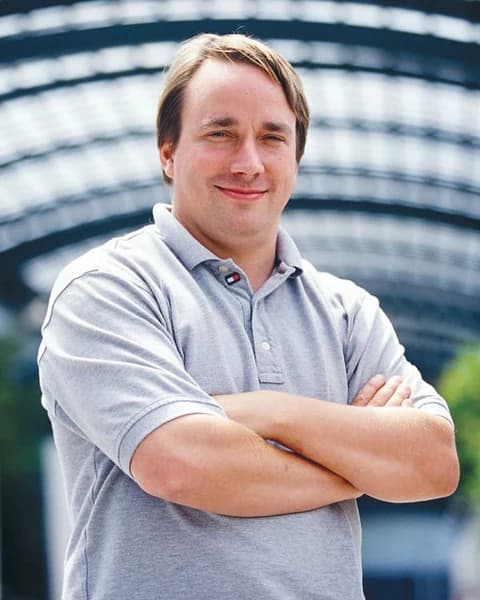
Linus Torvalds, creator of Linux and Git.

Modern headline pioneer

Linus Torvalds

He built Linux and Git, then spent three decades enforcing one rule: a change that breaks a working system is a bug to fix, not a fact to explain away. He builds things that survive contact with millions of real users. This is the Builder pattern held for the long haul.

Learn: Treat a broken promise to your users, whether that's backward compatibility or a working release, as a bug in your own system to fix. Build a second layer of ownership, a trusted deputy, so survival does not depend on one person's constant presence.

Photo: Linux Magazine / Martin Streicher · CC BY-SA 3.0

Their own work

Portrait of Steve Wozniak.

Modern alternative pioneer

Steve Wozniak

He personally engineered the Apple I and Apple II, building the machines so well that the product itself became the argument for personal computing. That is the Builder pattern: make the core so solid that it needs no salesman.

Learn: Build the thing so well that the product itself becomes the argument.

Photo: Gage Skidmore · CC BY-SA 3.0

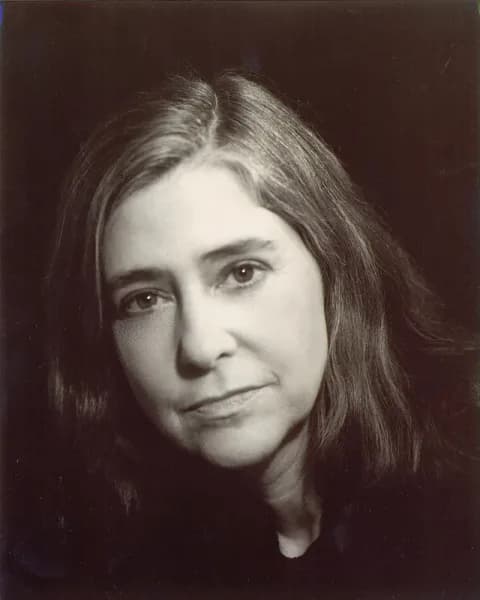
Portrait of Margaret Hamilton.

Historic pioneer

Margaret Hamilton

She led the team that wrote Apollo's flight software, and when program alarms fired three minutes before the moon landing, her priority-scheduling design let the computer drop lower-priority tasks and keep the landing running. She built software that held up under mission-critical pressure, which is the Builder pattern.

Learn: Build for real pressure, not just demo conditions. Reliability is a contribution, not an afterthought.

Photo: Daphne Weld Nichols · CC BY-SA 3.0

Jeff Bezos at the ENCORE awards.

Modern headline pioneer

Jeff Bezos

He turned a bookstore into a repeatable delivery machine: two-pizza teams, single-threaded ownership, and a compounding growth model he sketched out during the dot-com bust, all built so the company could run at ever-increasing scale without him in the room. That is the Producer pattern, built into an operating system for the whole company.

Learn: Turn a promise into an operating system that can deliver again and again at increasing scale.

Photo: Steve Jurvetson, derivative work by King of Hearts · CC BY 2.0

Portrait of Oprah Winfrey.

Modern alternative pioneer

Oprah Winfrey

She fought to own her own show outright, then ran Harpo, O Magazine, and OWN as a repeatable operating company for four decades, not a single moment of fame. This is the Producer pattern: own the platform, then run it for the long run.

Learn: Own the means of production behind your own platform, then build the operating structure that turns attention into a repeatable business across formats and decades.

Photo: US Embassy South Africa · Public domain

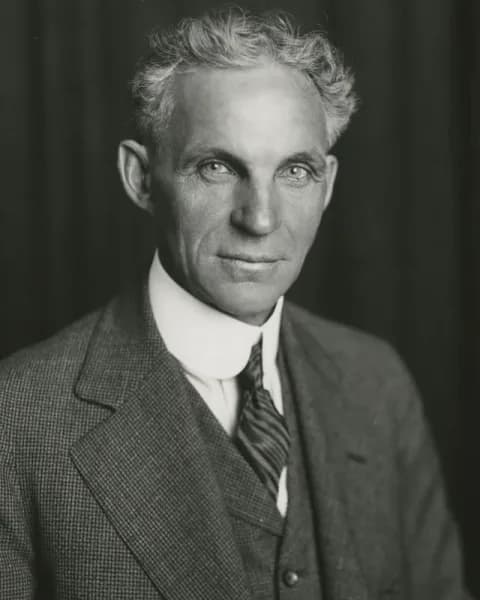
Portrait of Henry Ford.

Historic pioneer

Henry Ford

He turned a 12.5-hour, hand-built car into a 93-minute assembly-line process, then raised wages so the workers building it could afford to buy one themselves. He made the automobile economically scalable, which is the Producer pattern.

Learn: Find the repeatable production model that makes a valuable thing accessible to many more people.

Photo: Ford Motor Company. Photographic Department · Public domain

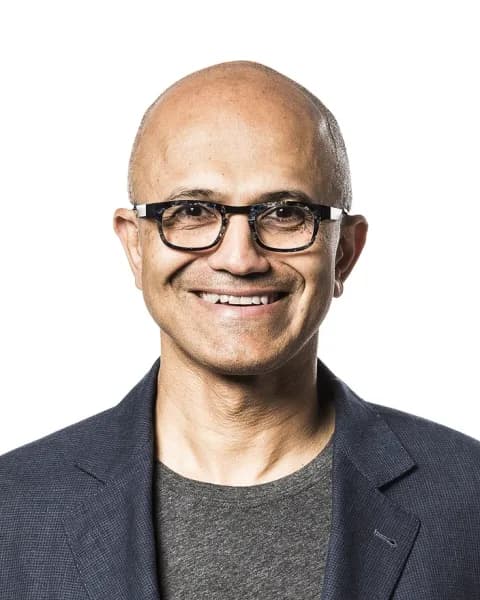
Satya Nadella in a Microsoft executive portrait.

Modern headline pioneer

Satya Nadella

He inherited a giant that had stopped growing and retuned it, the culture, the cloud platform, and the market position, all together, until it became one of the most valuable companies on earth. This is the Tuner pattern, playing out at the scale of Microsoft.

Learn: Improve the system without pretending it must be destroyed. Tune culture, platform, and market fit together.

Full profile →

Photo: Brian Smale and Microsoft · CC BY-SA 4.0

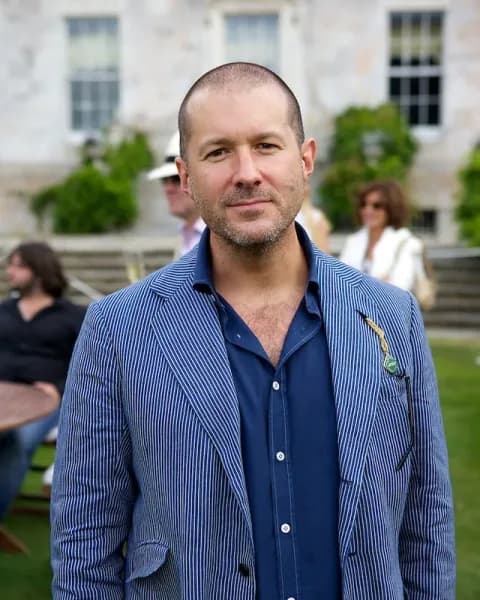
Portrait of Jony Ive.

Modern alternative pioneer

Jony Ive

He insisted on finishing components no one would ever see to the same standard as the surfaces people actually touch, shaping the iMac, iPod, iPhone, and Apple Watch until each one felt inevitable. That is the Tuner pattern: keep refining until there is nothing left to remove.

Learn: Make the product easier to understand, more coherent to use, and more precise in how it makes people feel.

Full profile →

Photo: Marcus Dawes · CC BY-SA 3.0

Their own work

Portrait of W. Edwards Deming.

Historic pioneer

W. Edwards Deming

He taught Japanese industry to trace defects back to the system, not the worker, using experiments like the Red Bead and the Funnel to make statistical thinking visible to anyone. He tuned the system before blaming the people, which is the Tuner pattern applied as a management discipline.

Learn: Tune the system before blaming the people. Use data, feedback, and process thinking to improve performance.

Full profile →

Photo: FDA · Public domain

Tim Cook in March 2026.

Modern headline pioneer

Tim Cook

He cut Apple's inventory turn to five or six days, against competitors running ten to twenty-one, then ran the world's most valuable product, supply chain, and services machine for over a decade. He makes the machine perform without making himself the product, which is the Commander pattern.

Learn: Make the machine perform without making yourself the product. Operational excellence can be a strategic advantage.

Photo: Tessa Bury · CC BY 4.0

Their own work

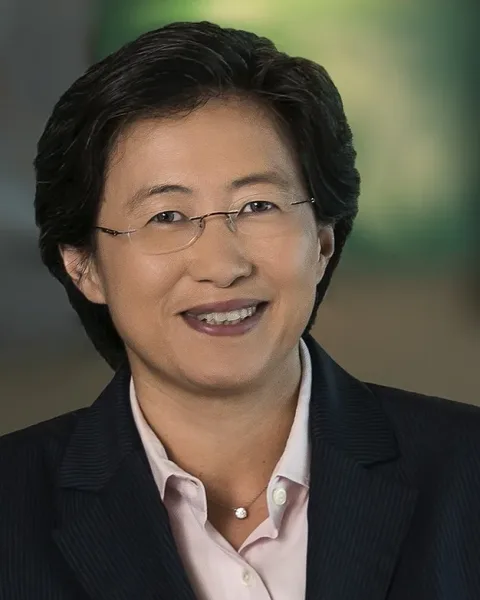
Lisa Su speaking as AMD CEO.

Modern alternative pioneer

Lisa Su

She took over AMD when the stock traded near two dollars and bankruptcy talk was real, then resourced the Zen and chiplet bets with, in her own words, no plan B, and held that commitment until the turnaround compounded into market leadership. That is the Commander pattern: full commitment, held for years.

Learn: Commit fully to a demanding roadmap, resource it as if there is no fallback, and hold the operating cadence accountable long enough for the turnaround to compound.

Photo: AMD Global · CC BY-SA 2.0

Their own work

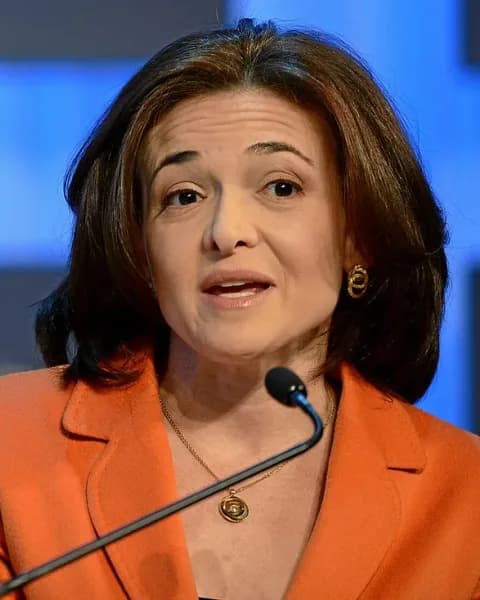
Portrait of Sheryl Sandberg at the World Economic Forum, 2013.

Historic pioneer

Sheryl Sandberg

She built the sales organization and ad infrastructure that turned an unmonetized idea into a profitable machine, and she did it twice, first at Google, then as Facebook's COO. She commanded the operating system beside a founder who stayed focused on product, the Commander pattern paired directly with a Visionary.

Learn: Learn from the founder-operator pairing itself. Let the person with the inventing pattern keep inventing, and put a genuine Commander beside them with real authority over how the business actually runs.

Photo: World Economic Forum / James Tamim (crop) · CC BY-SA 2.0

Famous pioneers are public examples to learn from, not endorsements, and not diagnoses. None of them have taken the Pioneership assessment.

Which pioneers share your pattern?

FIND OUT WHICH ONE YOU ARE.

Your free result names the famous pioneers who share your exact shape, and what to learn from them. About 10 minutes.

Take the free test