Pioneer Profile
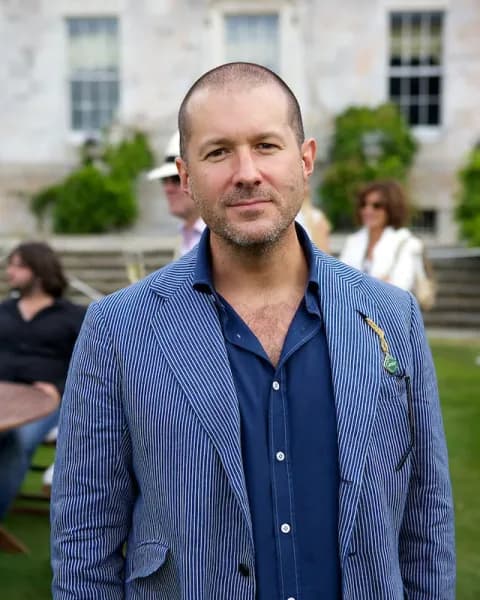
Jony Ive
A Tuner at work
Founder, LoveFrom [5] · Led design at Apple from 1996 to 2019; founded LoveFrom in 2019 [4]
This Profile is based on Jony Ive’s public career. He has not taken the Assessment.
Jony Ive helped shape some of Apple’s most recognisable products. His public career shows the Tuner Profile in action: improving what exists until the experience, materials and details work together.
Why Jony Ive fits the Tuner Profile
Tuners bring focus, care and consistency to work that matters. They notice where a product, service or system falls short, then improve it with precision.
Here are 5 moments from Jony Ive’s public career that show this pattern.
- He stayed to improve Apple’s standards. In 1996, Ive was close to leaving Apple. When Steve Jobs returned and made product quality a priority, Ive chose to help rebuild the company from within. [1]
- He made the personal computer feel more considered. The 1998 iMac G3 brought colour, approachability and a distinctive physical design to the desktop computer. It sold 800,000 units in its first year. [2]
- He built consistency across products. Across the iPod, MacBook, iPhone, iPad and Apple Watch, Ive’s teams developed a clear design language and refined the manufacturing needed to deliver it. [9]
- He connected hardware and software design. As Apple’s Chief Design Officer, Ive brought software interface design into the same organisation as hardware design. This gave teams a shared view of the full product experience. [4]
- He continues to apply this craft to new technology. At LoveFrom and through his work with OpenAI, Ive is helping shape how people may use new AI-enabled devices. [7]
What made him effective
Practices to use
- He set a high bar for detail. Ive’s teams treated every part of a product as part of the customer experience, including areas users would rarely see. This approach helped Apple create products that felt complete and carefully made. [9]
- He developed ideas over time. He returned to a small number of design principles across many products. This gave Apple’s range a recognisable feel and helped each product build on what came before. [4]
The Tuner trade-off to manage
Tuners can become deeply committed to improving an established approach. That commitment creates quality when the core approach still serves the user. It creates risk when the work needs a new solution.
- Apple’s butterfly keyboard shows this clearly. The mechanism supported a thinner laptop design, yet it proved vulnerable to dust and difficult to repair. Apple later revised the design and settled a class-action lawsuit related to the keyboards. [10] [11]
The useful lesson is simple: hold high standards for refinement, then regularly test whether the underlying approach still meets people’s needs. [12]
Put the Tuner strengths into practice
Set the same standard for the parts people see and the parts they rely on. Review the details behind the customer experience: handovers, instructions, service processes and quality checks. [9]
Improve the system you already have. Before starting something new, identify one part of your current team, product or process that would create more value with focused attention. [1]
Keep a clear set of principles. Define 2–3 standards that guide your work. Use them to make decisions consistently as your projects grow. [3]
Keep simplicity useful
Simplicity earns its place when it makes the experience easier, more reliable or more valuable for the user. Check that every removal, reduction or refinement protects the function people depend on.
Sources
Every numbered claim on this page links to one of these.
- [1] Jony Ive's exit from Apple caused by company culture changes and growing frustration
- [2] iMac G3 arrives to save Apple: Today in Apple history
- [3] How the Apple iMac G3 made our tech stylish
- [4] Jony Ive | Biography, Apple, LoveFrom, & Facts
- [5] Jony Ive to form independent design company, with Apple as client
- [6] Steve Jobs once called designer Jony Ive his 'spiritual partner' at Apple, OpenAI just bought his tech startup for $6.4 billion
- [7] OpenAI buys io, former Apple designer Jony Ive's device startup
- [8] Jony Ive is Leaving Apple to Start LoveFrom With Marc Newson
- [9] Jonathan Ive
- [10] Apple Engineers Its Own Downfall With the Macbook Pro Keyboard
- [11] Apple agrees to pay $50M to settle lawsuit over flawed keyboards on older MacBooks
- [12] Jony Ive's Fragmented Legacy: Unreliable, Unrepairable, Beautiful Gadgets
Which role do you play when new work is being built?
Take the Full Assessment to discover your Profile, understand your strengths and see where you can contribute most.
Start the assessmentIncluded with the paid Full Profile. Takes about 10 minutes.